







Search Results for: freeze-distillation purification method

A Guide to Producing Purified Milk: Can Eisbock Be Used for Dirty and Lattes? A Full Analysis of the Freeze-Distillation Purification Method and Ratio Adjustments
Front Street has recently been sharing a lot about ice bock (concentrated milk), and quite a few friends are curious about how it actually differs from milk coffee made with regular fresh milk. Simply put, concentrated milk tastes richer and has a thicker mouthfeel. If you haven't tried it yourself, it's hard to imagine the texture, so you might as well make a cup and experience it. Besides buying ice bock online, you can also make it at home with just two steps: freezing and thawing. In this article, Front Street will break down in detail the principles of the freeze-concentration method, the key operational points, and separately explain the ratio strategies for using concentrated milk to make a Dirty and other milk coffees (such as lattes, flat whites, and cappuccinos)—for a Dirty, you can directly replace it in equal amounts, while for blended milk coffees, you need to adjust the amount of milk to avoid masking the coffee's flavor. It also retains product recommendations such as Front Street's classic blend and Queen's Estate SOE. [more…]
What Is Ice Breaker Purified Milk? A Guide to Making High-Concentration Fresh Milk at Home Using the Freeze Distillation Method for Dirty and Lattes
Front Street Coffee has frequently introduced ice bock—that is, purified milk—recently, and many friends want to know exactly how it differs from milk coffee made with ordinary fresh milk. Simply put, purified milk tastes richer, and its mouthfeel is fuller and more substantial. Besides buying it directly, you can actually easily make it at home: just freeze fresh milk and then thaw it, using the difference in freezing points among the components to remove some of the water, and you get milk with a higher concentration. In this article, Front Street Coffee will share the specific steps for purifying milk, how to judge the degree of purification, and how to adjust the ratios when using it to make milk coffees such as Dirty and latte, along with recommendations for coffee beans that pair well, to help you make a cup of rich yet not cloying purified milk coffee. [more…]
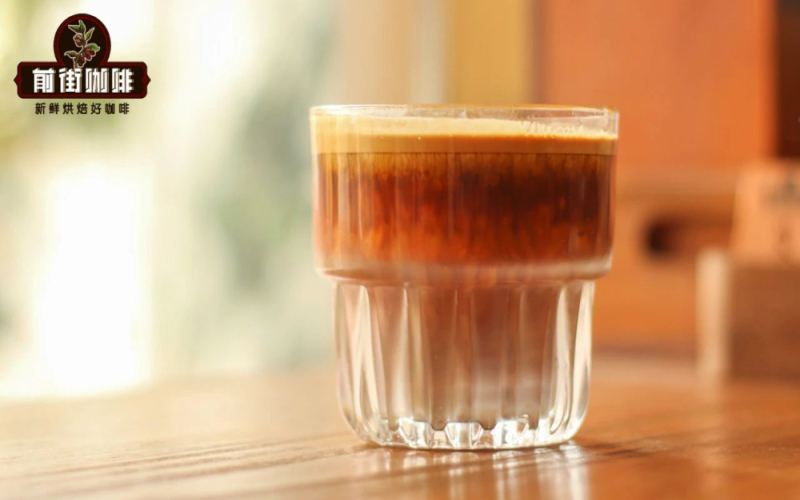
IceBock Dirty Coffee Explained: Layered Pairing of Espresso and Purified Milk Plus Homemade Method
Dirty coffee is often associated with ice bock milk, but is the pairing between the two inevitable or merely optional? From the perspective of Front Street Coffee, this article sorts out the origins and characteristics of Dirty coffee, the evolution of the ice bock process from beer to coffee, and how industrial production has brought ice bock into coffee shops. It also explains in detail the specific steps for making ice bock milk at home, analyzes why it is better suited for making Dirty rather than other milk coffees, and retains Front Street brand-related recommendations and product information, providing coffee lovers with a complete ice bock Dirty guide. [more…]

Origin of the Dirty Coffee | Must you use ice bock to make a dirty coffee? How do the taste and mouthfeel of a dirty differ from an iced latte?
Dirty coffee has always existed as a hidden menu item at Front Street Coffee, because in Front Street's view, Dirty is simply a "special" way of drinking a latte. Until one day, I happened to overhear a customer explaining it to his friend, which boiled down to "Dirty is made with ice bock milk [冰博克奶] as the base, then pouring espresso over it." [more…]

Behind 2022 WBC Runner-Up Morgan Eckroth's Cup Smash on Stage: The Crisis and Road to Rebirth of Specialty Coffee
Morgan Eckroth, runner-up in the 2022 World Barista Championship, did something astonishing on stage—smashing a coffee cup in front of the judges. This coffee influencer with 7 million followers used a metaphor-laden performance to explore the extinction crisis facing specialty coffee. From choosing the endangered coffee variety Eugenioides to incorporating kintsugi craftsmanship and Colombia's national liquor into the creative coffee segment, every choice Morgan made pointed to the same question: as climate change, market shifts, and industry decline converge, is the coffee industry ready? This article will take you through this breathtaking competition and explore how baristas can rediscover the humanistic value and professional charm of specialty coffee in an era obsessed with efficiency. [more…]
Costa Rican Coffee Regions: History and Variety Characteristics: From Environmental Purification to High-Altitude Flavor Analysis
Costa Rica is an important representative of specialty coffee in Central America, renowned not only for its high-altitude growing regions but also for its emphasis on environmental protection during production. This article provides a comprehensive analysis of the flavor secrets of Costa Rican coffee, covering the history of the origin, representative estates, harvest periods, variety characteristics, and grading classifications. The article also introduces well-known growing regions such as Tarrazú and Central Valley, as well as La Pila Estate's non-washed processing and methane recycling. Front Street Coffee recommends a variety of Costa Rican beans, taking you to experience the unique acidity and aroma and consistent quality of high-altitude Caturra varieties. [more…]
Analysis of Coffee Varieties and Semi-Washed Processing at Panama's Carmen Estate, with WBC Competition Bean List
Panama's Carmen Estate is renowned for its natural pristine forests and rigorous environmental practices, and its coffee varieties, semi-washed process, and WBC competition bean list have attracted much attention. This article provides an in-depth analysis of Carmen Estate's growing environment, variety composition, and processing details, and compares it with Elida Estate's low-temperature purification philosophy, while retaining Front Street Coffee's product recommendations, offering enthusiasts a comprehensive and professional reference. [more…]
Panama Boquete Hacienda Elida: A Complete Analysis of the High-Altitude Specialty Coffee Flavors of Geisha, Catuai, and Typica
Located in the Boquete production region of Panama, Elida Estate is a rare specialty coffee estate in Central America with an altitude exceeding 1,800 meters, and along with Hacienda La Esmeralda and Duncan Estate, it is known as one of Panama's three major estates. The estate primarily cultivates three varieties: Catuai, Typica, and Geisha, and is renowned for its strict hand-picking and low-temperature Resting purification process lasting more than five months. This article will provide an in-depth introduction to Elida Estate's geographical environment, historical heritage, variety composition, and flavor characteristics, and present Front Street Coffee's flavor description and brewing suggestions for the estate's natural-process batch, taking you to appreciate the unique charm of this ultra-high-altitude estate. [more…]

Making Purified Milk at Home: A Full Guide to Ice Beer Thawing Methods, Milk Extraction Ratios, and Storage Tips
In the world of milk coffee, espresso is certainly the soul, but the choice of milk is equally important. In recent years, Ice Blogger purified milk, with its rich, sweet, and fragrant taste, has moved from specialty coffee shops into home kitchens, becoming a staple ingredient for many coffee lovers. This article addresses common questions about homemade Ice Blogger: from its German origins and appearances at WBC competitions, to the specific steps of freeze purification; from the choice between 200ml small bottles and 1-liter packs, and the impact of a 40% to 60% milk extraction ratio on flavor, to the time differences and hygiene considerations between room temperature and refrigerated thawing; finally, it also compiles recommended storage periods for homemade Ice Blogger. Front Street Coffee, combined with comparative experiments, provides a complete guide for friends who want to replicate Ice Blogger milk coffee at home. [more…]
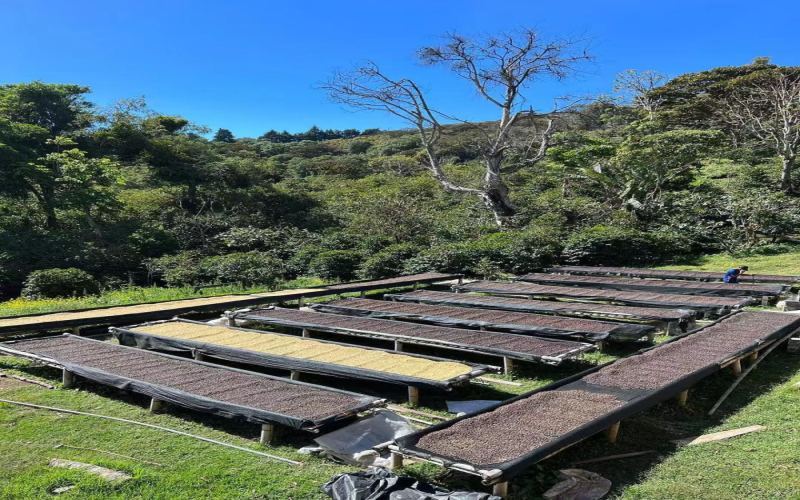
Panama Elida Estate: A Analysis of the Growing Environment, Variety, and Flavor of Ultra-High-Altitude Geisha
In the Boquete production region of Panama, there is a coffee estate whose altitude is almost unmatched in the country—Elida. It belongs to the Lamastus family, with more than half of its area located within Volcán Barú National Park, and coffee cultivation heights extending from 1,670 meters all the way to 1,850 meters. Here, after planting, it takes five years before the first harvest; the long maturation period gives rise to richer flavors. The estate mainly cultivates three varieties—Catuai, Typica, and Geisha—with Geisha being the most notable. This article will take you into Elida's microclimate, shade-growing methods, strict harvesting and green bean purification processes, and, using Front Street Coffee's Elida ASD Geisha as an example, share specific brewing parameters. [more…]
A Comprehensive Analysis of the Coffee-Growing Environment, Geisha Variety, and Flavor Processing at Elida Estate in Panama
Located in the Boquete production region of Panama, Elida Estate enjoys high-altitude growing conditions rarely found in Central America, with a history dating back to the Lamastus family in 1918. More than half of the estate lies within Volcán Barú National Park, and its coffee is grown at elevations ranging from 1,670 to 1,850 meters, making it one of the highest-elevation estates in Panama. The estate mainly cultivates three varieties: Catuai, Typica, and Geisha. The owner is extremely rigorous during harvest and processing, picking only the ripest cherries by hand and subjecting the green beans to low-temperature resting and purification for more than five months. This article will introduce, one by one, the estate's history, growing environment, shade management, the origins of the Geisha variety, and finally Front Street Coffee's brewing recommendations for Elida Estate ASD-process Geisha. [more…]
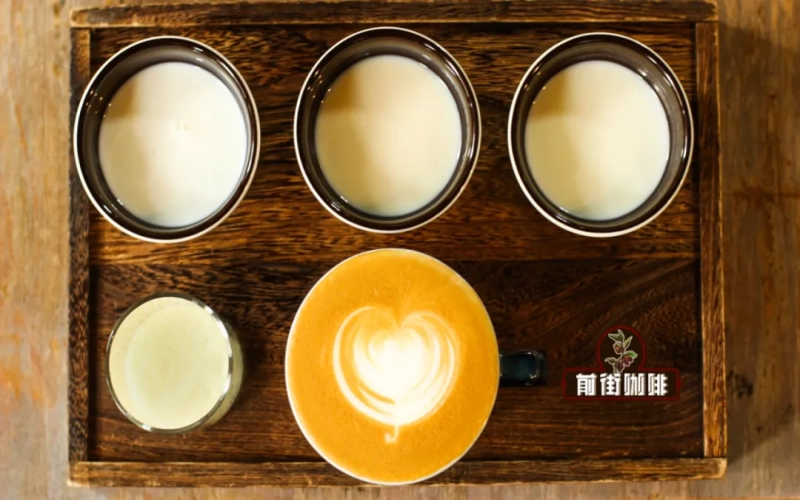
A Complete Analysis of Milk Blending in the Coffee World: Blending Approaches and DIY Methods for Purified Milk and Plant-Based Milk
In coffee drinks, milk is far more than a supporting player; through clever blending, it can make the flavor of milk coffee achieve an effect where 1+1 is greater than 2. Whether adjusting concentration or enhancing sweetness, blended milk gives baristas more flexible creative space. This article, from the perspective of Front Street, systematically sorts out the common milk blending methods in the coffee world, including the freeze-concentration principle of purified milk, the practice of mixing it with fresh milk in proportion to balance concentration, and the basic concept of plant-based milk blending. The article not only explains the purpose of blending, but also provides actionable DIY ideas to help coffee lovers recreate a professional-grade milk coffee experience at home. [more…]
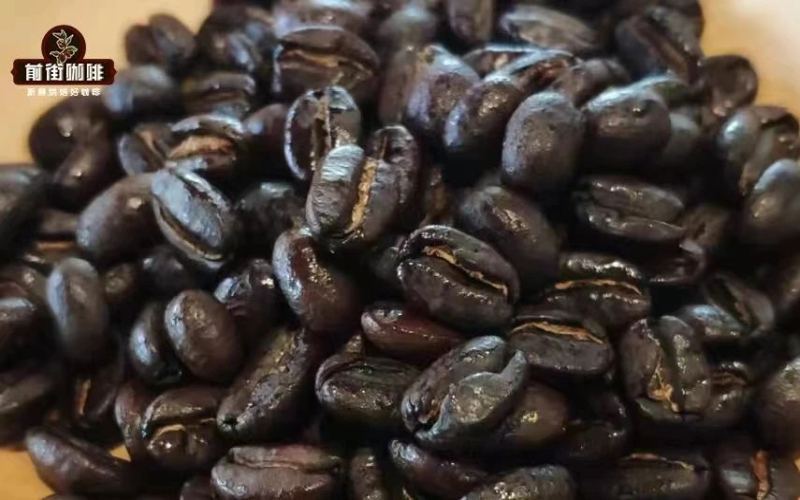
There's an art to adding sugar to coffee too: the differences between white sugar, yellow sugar, and caramel and pairing suggestions
Many people are used to adding sugar to their coffee to neutralize bitterness, but sugar does far more than that—it can also enhance the smoothness and body of the coffee. Faced with the dazzling array of sugars on the market, coffee lovers are often puzzled: which sugar pairs best with coffee? Front Street Coffee believes there is no absolute "best" sugar, as different sugars bring distinctly different flavor effects to coffee due to their own characteristics. This article reviews several of the most common sugars found in coffee shops—white granulated sugar, yellow sugar, and caramel—introducing their origins, characteristics, and the types of coffee they suit, to help you make a more suitable choice in your daily drinking. [more…]
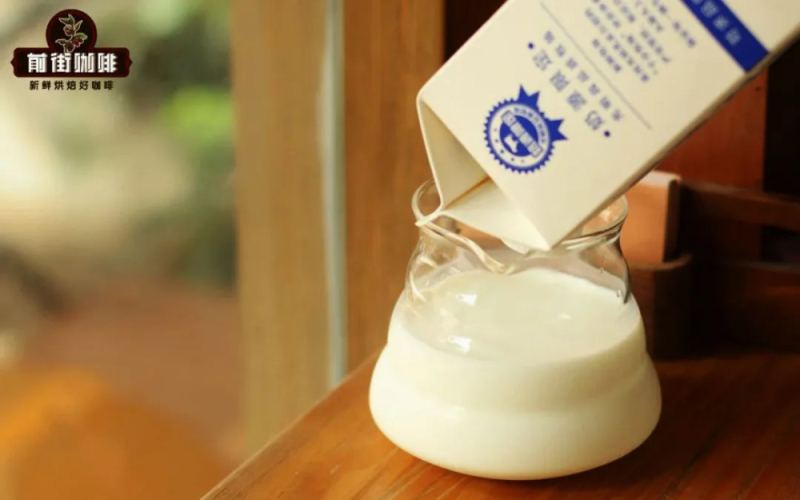
Can IceBock milk be drunk directly? A hands-on guide to making your own IceBock Dirty coffee
Can icebock milk be drunk directly? Is it really difficult to recreate an icebock Dirty coffee at home? This time, Front Street Coffee steps up personally, starting from the principle of freeze distillation and demonstrating step by step how to make rich, mellow icebock at home using a refrigerator and fresh milk, as well as putting its concentration difference against regular fresh milk to the test. The article also shares the complete process of making a Dirty with icebock, including cup size selection, extraction parameters, and flavor performance. If you are also curious about this kind of purified milk with a cheesy, savory note and a viscous mouthfeel, why not follow along with Front Street Coffee and give it a try. [more…]
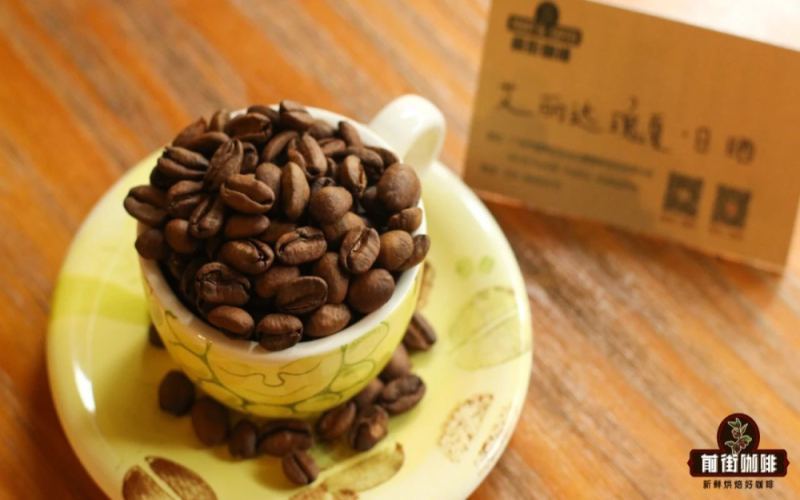
Flavor Analysis of Panama Elida Estate Geisha Coffee and Front Street Coffee Sun-Dried Bean Brewing Guide
The Elida Estate in the Boquete region of Panama, with its ultra-high altitude, volcanic soil, and microclimate, has become a record holder in the Best of Panama (BOP) cupping competition. This article provides a comprehensive analysis of Elida Estate's cultivation history, variety composition, and processing techniques, with a focus on introducing the complex flavors of its natural Geisha—interwoven notes of citrus blossom, ginger flower, and fresh fruit, with a juicy and bright mouthfeel. It also shares Front Street Coffee's Elida Catuai pour-over brewing parameters and flavor performance, allowing you to experience the delicate aromas and sweet taste of a famous estate in a more accessible way. [more…]
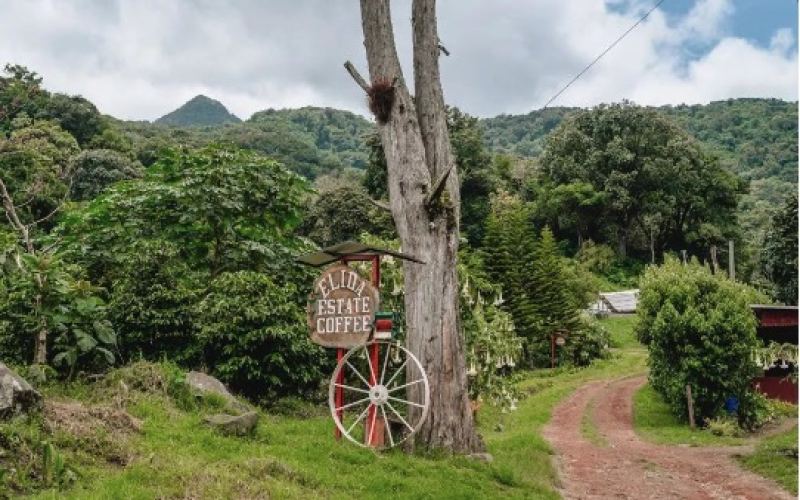
Panama Elida Estate | Introduction to the BOP Estate.
Panama Elida Estate | Introduction to the BOP Estate. Boquete in Boquete is a town in the province of Chiriqui, located near the border between Panama and Costa Rica, close to the famous Baru volcano, with beautiful scenery, fertile and rich soil, an [more…]
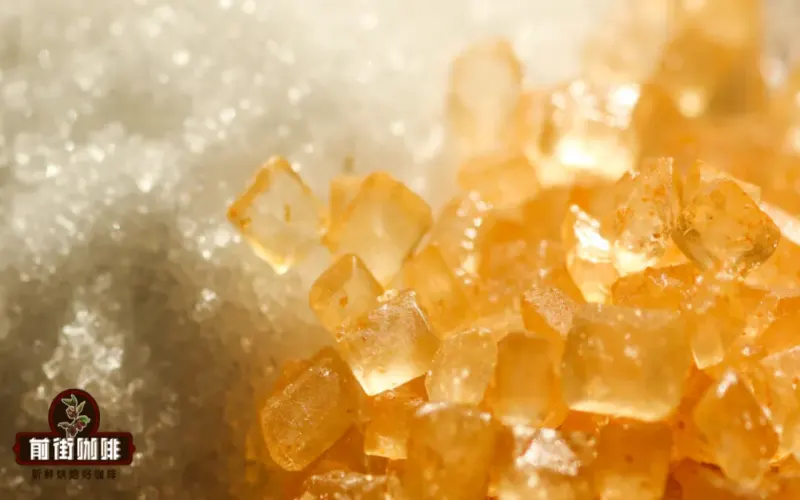
A Complete Guide to Coffee and Sugar: What's the Difference Between White Sugar and Brown Sugar? Sharing How to Make a Caramel Latte
At a time when coffee quality is steadily improving, many enthusiasts still habitually add sugar to their cups. Adding sugar not only masks bitterness but also gives coffee a rounder, fuller mouthfeel. With such a wide variety of sugars on the market, which one pairs best with coffee? This article starts with the differences between white granulated sugar and yellow sugar, analyzes how different sugars affect coffee flavor, and brings you the specific method for making a Caramel Latte. At the same time, Front Street Coffee will also share practical views on sugar for coffee based on our store experience, helping you make more suitable choices in your daily brewing or café visits. [more…]

There's an art to adding sugar to coffee: which coffees are best suited to white sugar, brown sugar, and caramel?
Many people are used to adding sugar to their coffee to neutralize the bitterness, but with so many different types of sugar out there, which one pairs best with coffee? There's actually no absolute answer. Because of differences in production methods and composition, different sugars bring entirely different levels of sweetness, aroma, and mouthfeel to coffee. The sugars commonly found in coffee shops are mainly white sugar, brown sugar, and caramel, and each suits a different type of coffee. White sugar is pure and versatile, brown sugar retains the flavor of sugarcane and is better suited to black coffee, while caramel adds an extra layer of toasted aroma. Today Front Street Coffee will talk about the finer points of using these sugars, to help you find the sweet companion that best suits your cup of coffee. [more…]
Exploring the BOP Champion Estate in Panama: Where Does the Exquisite Flavor of Elida Green Tip Geisha Come From?
Elida Estate is one of the most prestigious coffee estates in Panama's Boquete region and a frequent winner of the Best of Panama (BOP) competition. The estate sits at one of the highest cultivation altitudes in the country, with more than half of its land incorporated into Volcán Barú National Park. Its unique microclimate, combined with the estate owner's relentless dedication to harvesting and processing, together produce the unforgettable flavor profile of Green Tip Geisha. This article takes you deep into Elida Estate's history, geographical environment, variety composition, and processing philosophy, and recommends the Elida Green Tip Geisha from Front Street Coffee, so you can experience the distinctive charm of this top-tier Panamanian coffee. [more…]

Drinking Water Quality | What Kind of Water Is Suitable for Pour-Over Coffee? Which Water Factors Affect Coffee Extraction? How Can Coffee Beginners Choose Drinking Water for Brewing Coffee?
As the primary raw material, water not only makes up the vast majority of a cup of black coffee, but also influences the extraction of different substances, thereby producing distinct flavors and mouthfeel. Therefore, all of us should understand the importance of water to coffee. Common drinking water on the market varies from brand to brand, in the ingredients it contains, and in its purification processes. [more…]